


Master car battery maintenance with 6 practical tips from experienced drivers. Learn how to prevent winter starting difficulties, handle summer car maintenance, and avoid early car battery replacement to save costs.
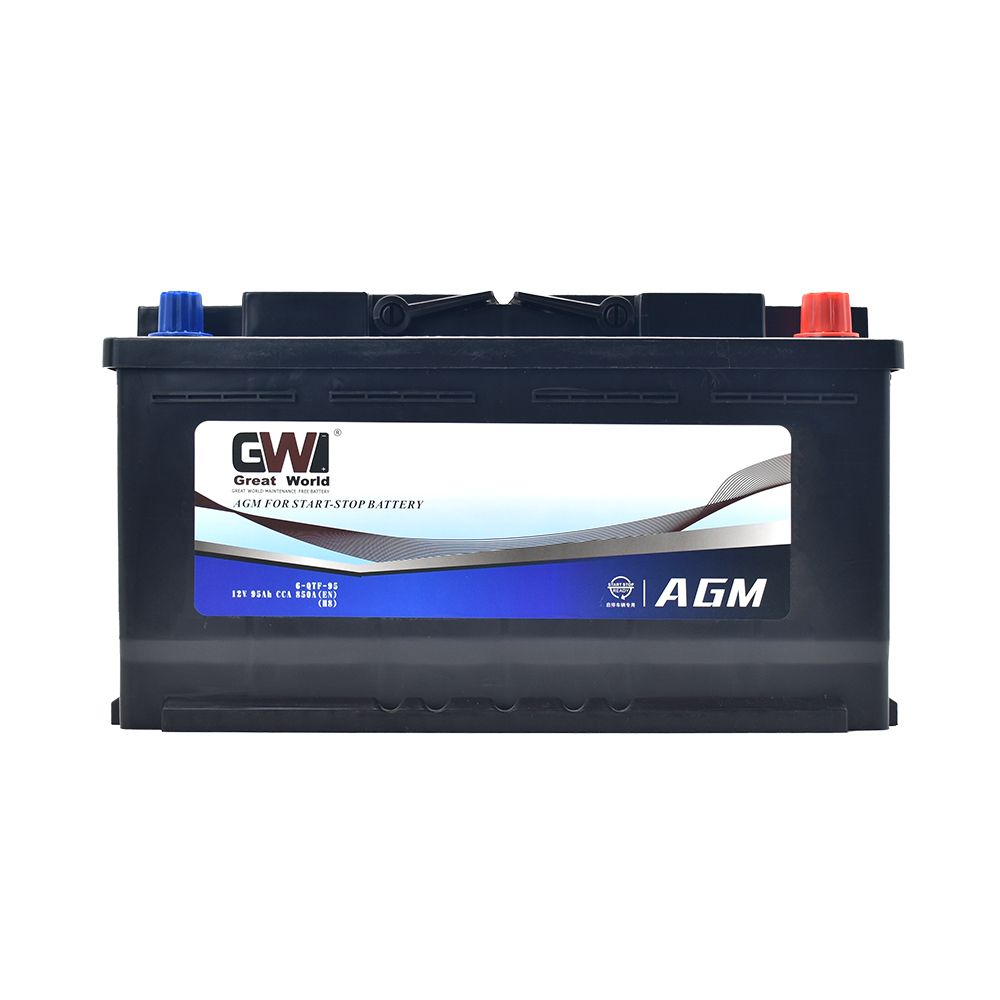
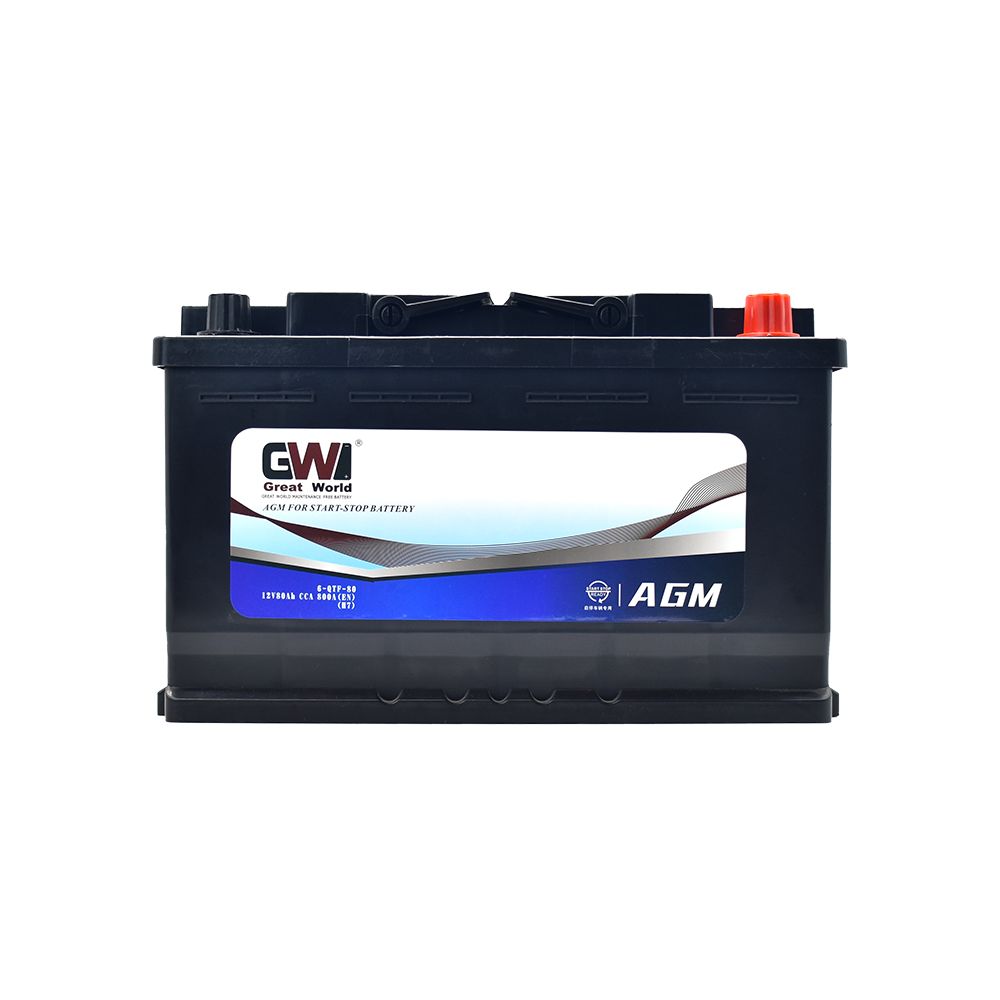
The car battery (accumulator) is the “heart” of a vehicle, acting as its essential pacemaker. Once the battery fails, the vehicle is completely rendered unusable.
As the core power source for vehicle starting and onboard electronics, the condition of a accumulator directly impacts daily driving. Many car owners frequently encounter the predicament of their vehicles suddenly failing to start, often due to a lack of routine car battery maintenance.
To succeed in extending battery life and saving on premature car battery replacement costs, regular care is crucial. Here is a comprehensive guide offering six core habits and special techniques for seasonal driving.
6 Core Car Battery Maintenance Methods for Extending Battery Life
1. Regularly Clean the Battery Casing and Terminals
Over time, white oxides (copper sulfate or lead sulfate crystals) can easily form near the terminals of a car battery. These green or white powders increase resistance, leading to poor conductivity.
Maintenance Recommendation:
Regularly rinse the battery casing and terminals with hot water or wipe them with a cloth. After cleaning, apply a layer of petroleum jelly or grease to prevent further oxidation.
2. Avoid Frequent Short-Distance Driving
Many car owners commute less than 5 kilometers each way daily. This frequent stop-and-go driving is extremely damaging to the battery system.
Why does it damage the battery? Starting a car consumes a significant amount of electricity, and it typically takes more than 20 minutes for the engine to fully charge the battery. Short trips leave the battery in a constantly undercharged state, accelerating battery aging over time.
Maintenance Recommendation: Every one to two weeks, it is recommended to take a highway or long-distance trip (driving for more than 30 minutes) to allow the alternator to fully recharge the battery.
3. Disconnect the Negative Terminal During Long-Term Inactivity
Even after the vehicle is turned off, anti-theft systems, dashcams, and other devices continue to consume power (known as “dark current”). If a vehicle is parked for several weeks, this can easily lead to a completely drained battery.
Maintenance Recommendation: When planning to leave your vehicle unused for an extended period (such as a business trip or vacation exceeding one week), it is recommended to disconnect external devices like dashcams. If the vehicle is to be parked for more than one month, it is best to disconnect the negative terminal of the battery.
4. Do Not Arbitrarily Upgrade to Larger Capacity Batteries
Some car owners, after modifying their audio systems or headlights, blindly pursue larger capacity batteries, believing that the larger the capacity, the better.
SEO Safety Note: The charging power of a car’s alternator is matched to the original battery capacity. If you blindly replace the battery with one of excessively large capacity, the alternator may work under overload for extended periods, and the battery may fail to fully charge, thus shortening its lifespan. Any car battery replacement should strictly follow the original manufacturer’s specifications.
5.Regularly Check Your Car Battery Health Status
Most modern car batteries are maintenance-free rechargeable batteries, usually equipped with an indicator light (also called an electric sensor or “eye”).
| Indicator Color | Battery Status | Required Action |
| Green | Sufficient charge and good condition | No action required |
| Black | Battery needs charging | Re-charge or take a long drive |
| White / Yellow | Battery is damaged | Immediate car battery replacement required |
Recommendation: During each routine vehicle maintenance, have a mechanic use a professional battery tester to measure the State of Health (SOH) and internal resistance to see if a car battery repair or change is needed.
Seasonal Care: Special Techniques for Summer and Winter
Extreme temperatures are the number one killer of vehicle electronics. We need to address specific car battery maintenance needs in different seasons:
Summer Car Maintenance Focus (Preventing Evaporation & Overheating)
The engine compartment temperature is extremely high in summer. If it’s a maintainable battery, high temperatures will cause the water in the electrolyte to evaporate faster. Observe carefully and add distilled water as needed.
Also, with frequent use of the car’s air conditioning during summer car maintenance periods, remember to turn off the A/C before turning off the engine. Otherwise, when starting the car again, the A/C compressor and engine will start simultaneously, causing a huge instantaneous current surge to the battery.
Winter Car Maintenance Focus (Overcoming Winter Starting Difficulties)
In low temperatures, the chemical activity drops, and battery capacity decreases significantly. If the battery itself is already aged, you are very likely to experience severe winter starting difficulties.
Pro Tips: In winter, try to park your car in an underground garage or a sheltered place at night. If the vehicle fails to start on the first try, do not repeatedly crank the engine. Each attempt should last no more than 5 seconds, with at least a 15-second interval between attempts to give the battery time to recover and recharge.
Conclusion: Good Driving Habits Determine Battery Longevity
In conclusion, good habits determine overall battery life. Regular car battery maintenance not only makes your journeys safer but also saves you a significant amount on replacement costs.
Whether your solution requires a simple car battery repair or an ultimate car battery replacement, staying proactive is key. If you notice signs such as weak starting or dim headlights, be sure to check the battery promptly for safe driving!
 English
  Chinese
  Russian