


Stranded with a dead battery? Learn what to do if your car battery is dead or has no power. Follow our step-by-step jump-start methods, discover how to use an emergency jump starter, and know when it is time for replacing a car battery.
Just as you’re about to drive off, you turn the key or press the start button, but only hear a frustrating clicking sound and the dashboard remains dark. This is a typical symptoms of a dead car battery.
As a comprehensive guide to dealing with early warning signs of car battery failure, there’s no need to panic if the warning signals were ignored and the battery is now completely flat. Like mobile phone batteries, car battery life gradually degrades over time due to natural wear or accidental drains (such as leaving your headlights on, leaving your dashcam on 24/7, or long-term vehicle inactivity).
If your vehicle won’t start, this article will provide a detailed explanation of 5 practical emergency self-rescue and troubleshooting jump-start methods to get you quickly out of trouble.
5 Emergency Self-Rescue Methods When Your Car Battery Has No Power
Method 1: The Classic Rescue – Correct Jump-Start Procedure
Jump-starting is the most reliable method, but improper operation can easily damage the electronic components of both vehicles. Please strictly follow these precise jump-start methods and sequences:
Core Jump-Starting Tip: Connect positive to positive (+ to +), negative to negative (- to -). Connect positive first, then negative; disconnect negative first, then positive.
- Preparation Before Connection: Position the rescue vehicle and the vehicle being rescued facing each other or side by side. Turn off all electrical equipment in both vehicles and keep the rescue vehicle’s engine off.
- The 4-Step Wiring Sequence:
Step 1: Connect one end of the red cable to the positive (+) terminal of the dead battery.
Step 2: Connect the other end of the red cable to the positive (+) terminal of the rescue vehicle’s battery.
Step 3: Connect one end of the black cable to the negative (-) terminal of the rescue vehicle’s battery.
Step 4: Connect the other end of the black cable to an unpainted area of the engine casing or frame of the dead vehicle (keep it far from the battery to avoid sparks).
- Starting the Vehicle: First, start the rescue vehicle and let it idle for a few minutes; then try to start the vehicle with the dead battery.
- The Disconnection Sequence: After starting successfully, disconnect the cables in the exact reverse order: Dead Negative –Rescue Negative –Rescue Positive –Dead Positive.
Method 2: Tech-Preparedness – How to Use an Emergency Jump Starter
If you have a portable jump starter pack inside your glove box, you don’t need to wait for another vehicle. Here is how to use an emergency jump starter:
Clamp: Attach the specialized jump cables (Red positive / Black negative) to the respective electrodes of the car battery.
Power On: Turn on the jump starter switch and wait until the indicator light turns solid green.Start: Enter the cab normally and turn the key to start the engine. Important: Be sure to unplug the power clamp within 30 seconds of a successful start.
Method 3: The Traditional Push-Start (Manual Transmission Only)
If no tools are available and your vehicle features a manual transmission, you can utilize the push-start method:
1.Turn the ignition key to the “ON” position.
2.Depress the clutch fully and shift into 2nd or 3rd gear.
3.Have companions push the vehicle from behind. Once the car reaches approximately 10 km/h, quickly release the clutch while gently pressing the accelerator.
Note: This method is strictly prohibited for automatic transmission vehicles, as it will severely damage the transmission system.
Method 4: Hazard Check – Inspect the Alternator Belt for Looseness
Sometimes the root issue isn’t the battery itself, but rather that the alternator has failed to recharge it during your previous drives.
Open the hood and inspect the alternator belt for signs of severe looseness, breakage, or slippage. If the belt is broken, the alternator cannot function. Even if your jump-start is successful, the vehicle will stall again after traveling a short distance due to depleted power.
Method 5: The Last Resort – When is Roadside Assistance Necessary?
If, after attempting standard jump-start methods or using a portable booster, the engine still only makes a clicking sound, or the dashboard remains completely dead, it indicates that the battery may have an internal short circuit or the vehicle has serious electrical faults.
In this situation, do not attempt to crank the engine repeatedly to avoid severe damage. Immediately call your insurance company’s roadside assistance or a professional towing service.
Post-Discharge Evaluation: Battery Repair vs. Replacing a Car Battery
After a car battery experiences a deep discharge, its overall car battery life will be damaged to varying degrees. After successfully starting the vehicle using any of the methods above, keep the engine idling or drive continuously for at least 30 minutes to allow the alternator to replenish the charge.
Once you arrive safely at your destination, use the following criteria to determine whether to repair or proceed with replacing a car battery:
When to Attempt Battery Repair
If your battery is less than 2 years old and the discharge was an isolated incident (e.g., accidentally leaving an interior light on overnight), the battery can typically be saved. Charging it fully using a professional smart bench charger can often restore over 80% of its original capacity and performance.
When Replacing a Car Battery is Necessary
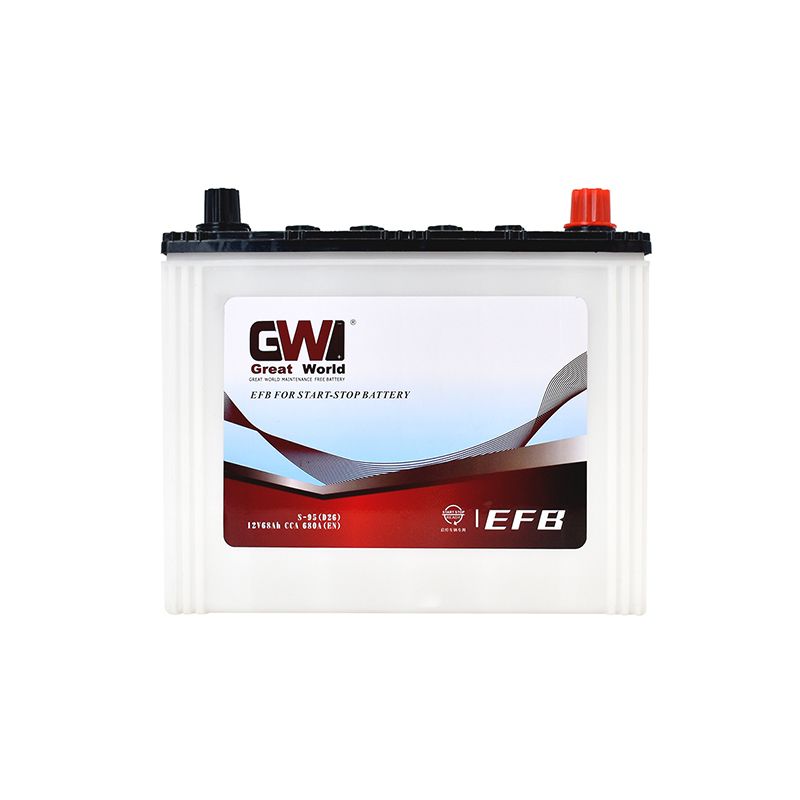
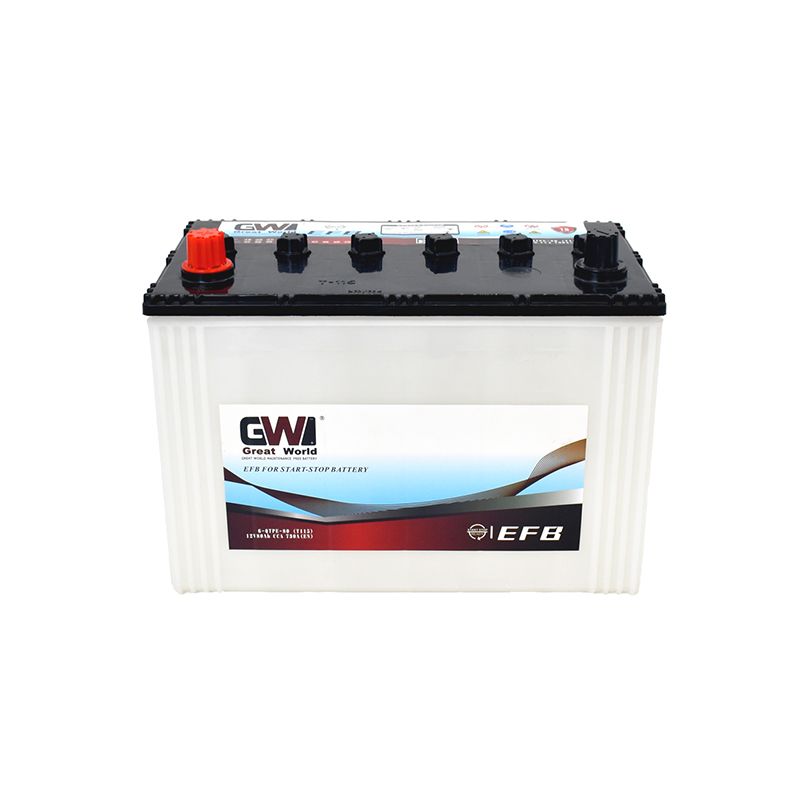
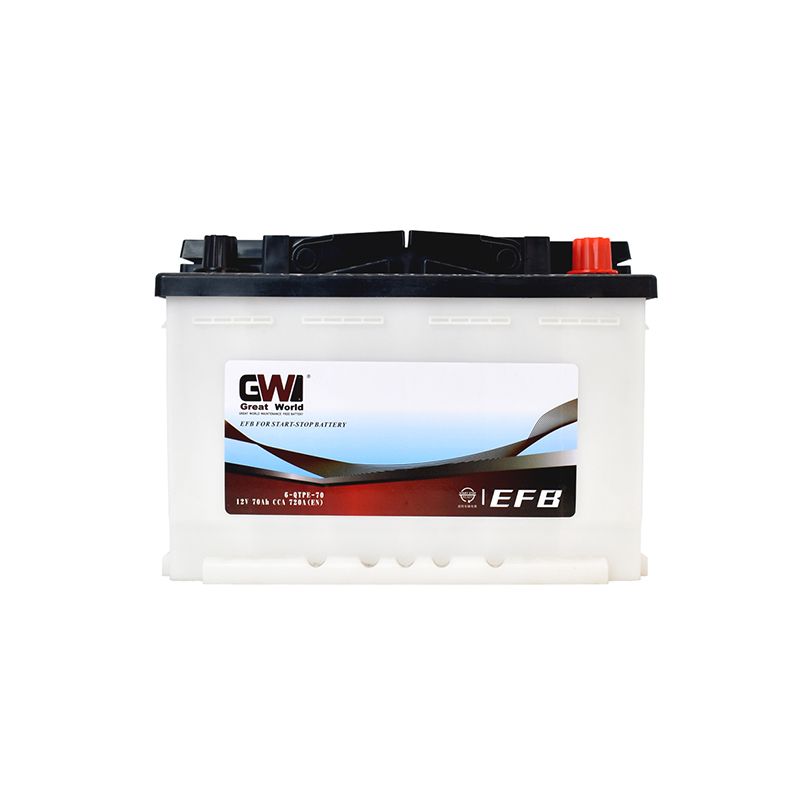
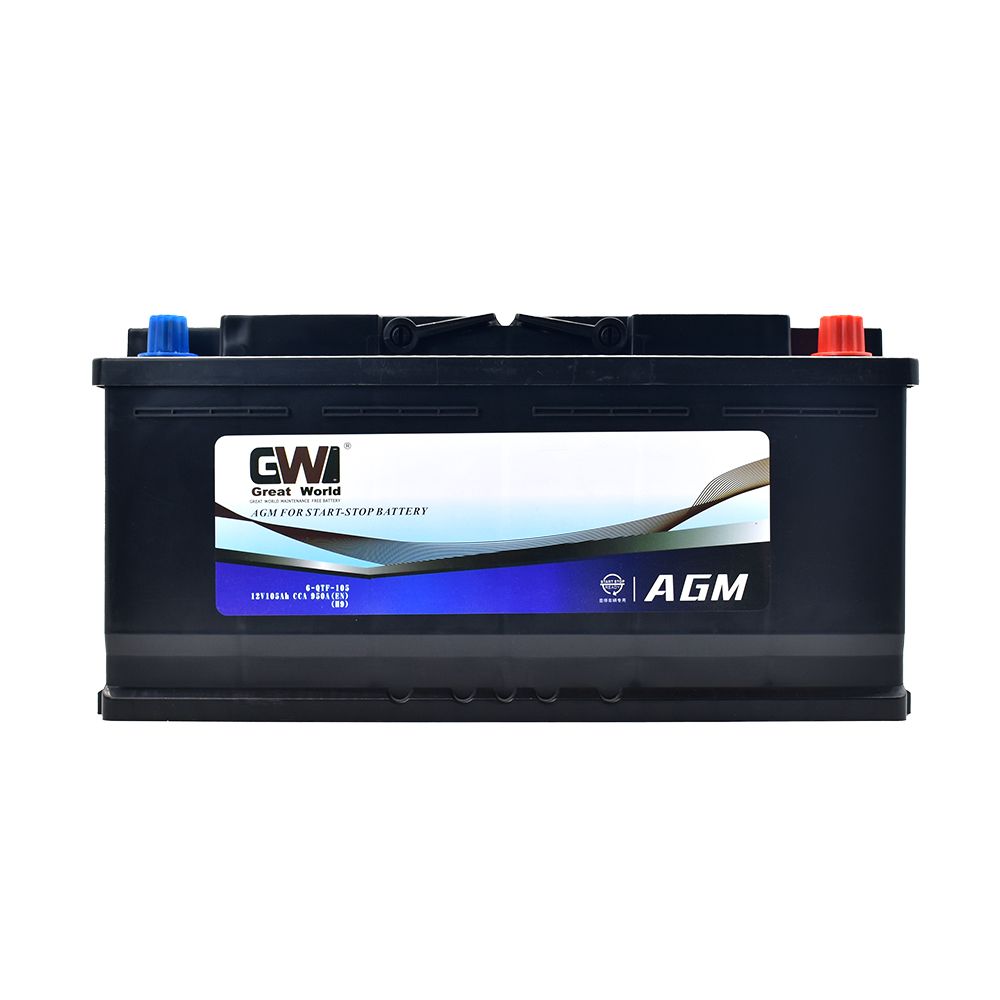
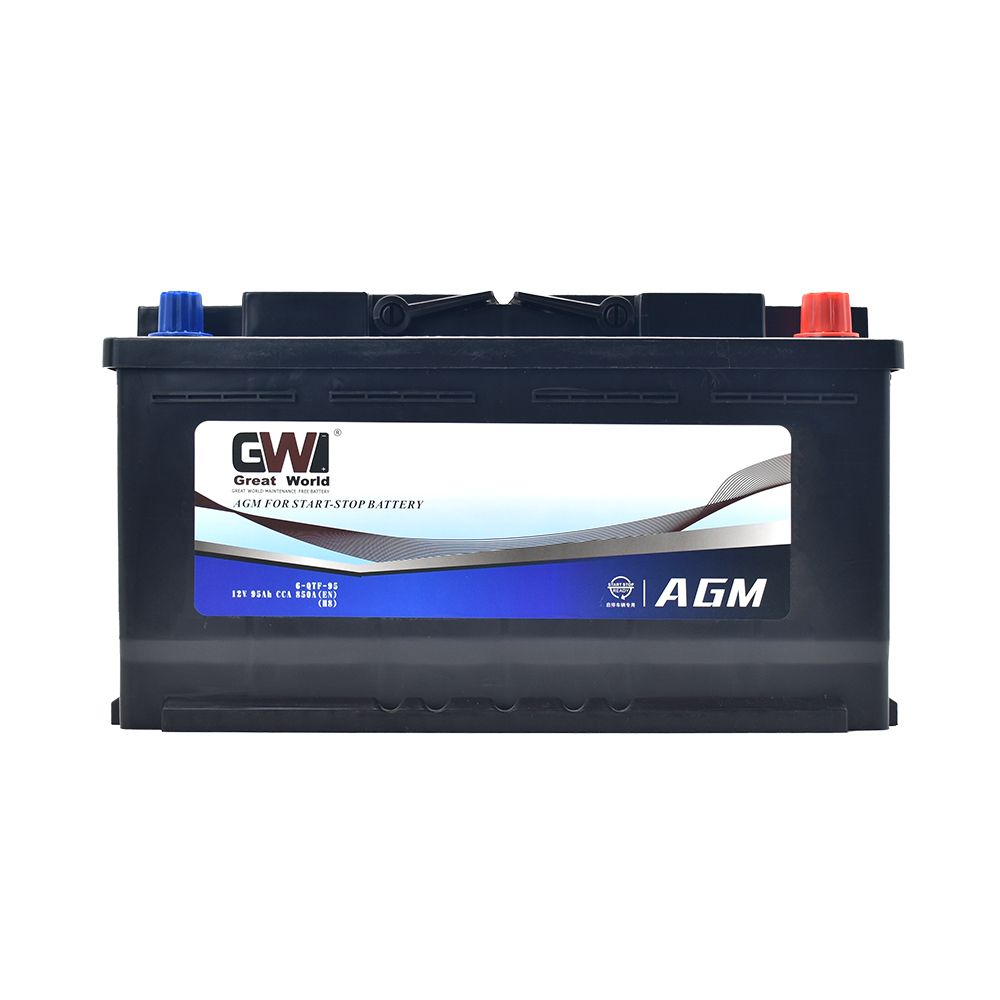
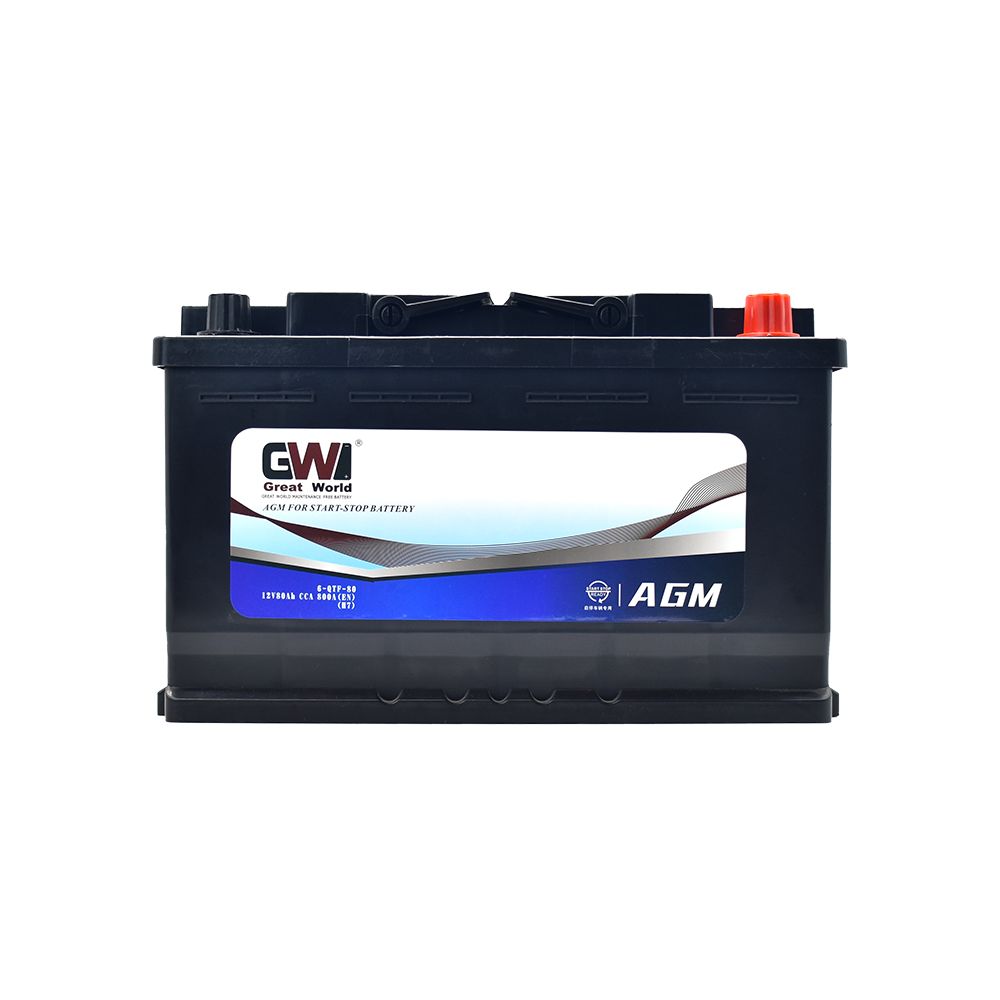
If your battery is more than 3 years old and frequently experiences power drains, weak slow cranks, or an inability to hold a charge, the internal plates are likely severely sulfated. To avoid being stranded on your next trip, it is highly recommended to visit a professional shop for a full car battery replacement immediately.
 English
  Chinese
  Russian