


News Summary: Batteries are the primary power source of automobiles, designed to provide high-performance power to the starter and various electrical devices during startup—which is why they are known as car battery starting units. Currently, lead-acid batteries dominate the automotive market. They utilize dilute sulfuric acid as the electrolyte, where active materials on the electrode plates (lead dioxide and lead) participate in electrochemical reactions to power your vehicle.
To meet the high demands of modern vehicle electronics, when replacing a battery, the capacity and rating of the new unit must not be lower than the original. Additionally, the physical dimensions must fit the vehicle’s mounting tray.
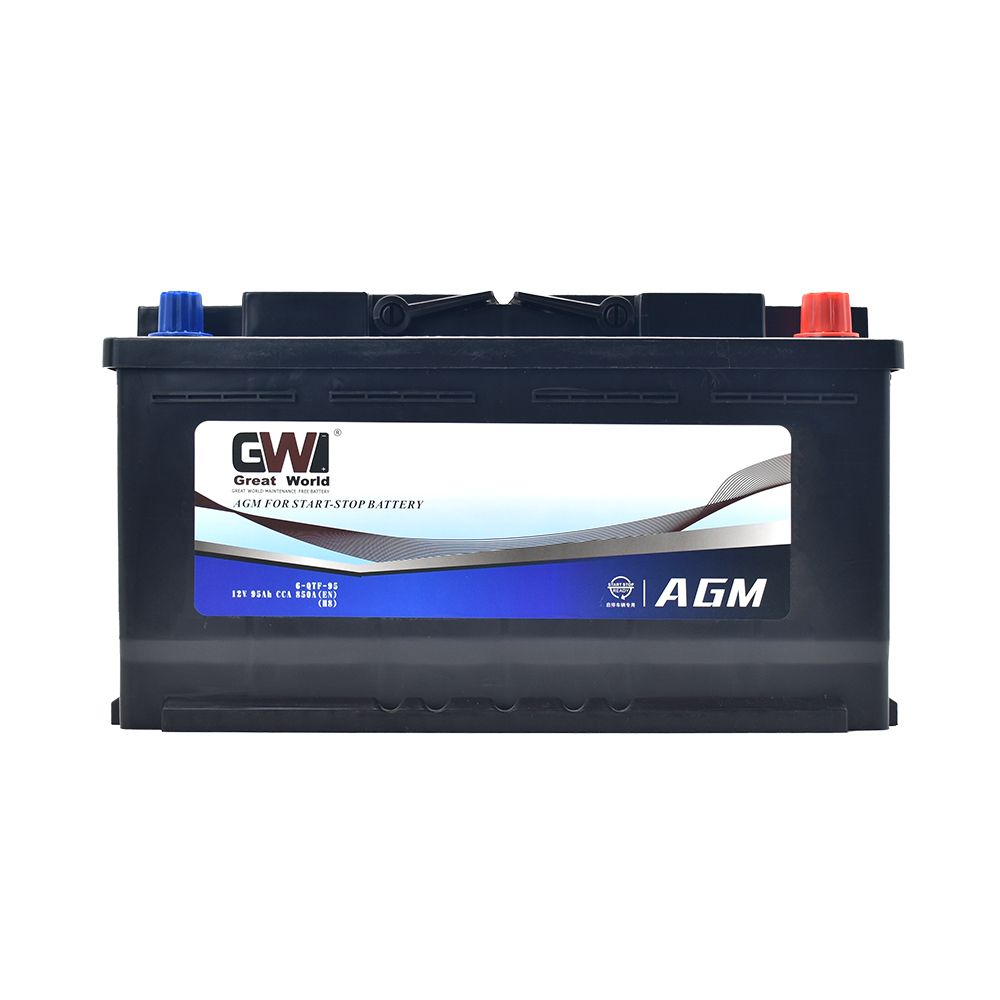
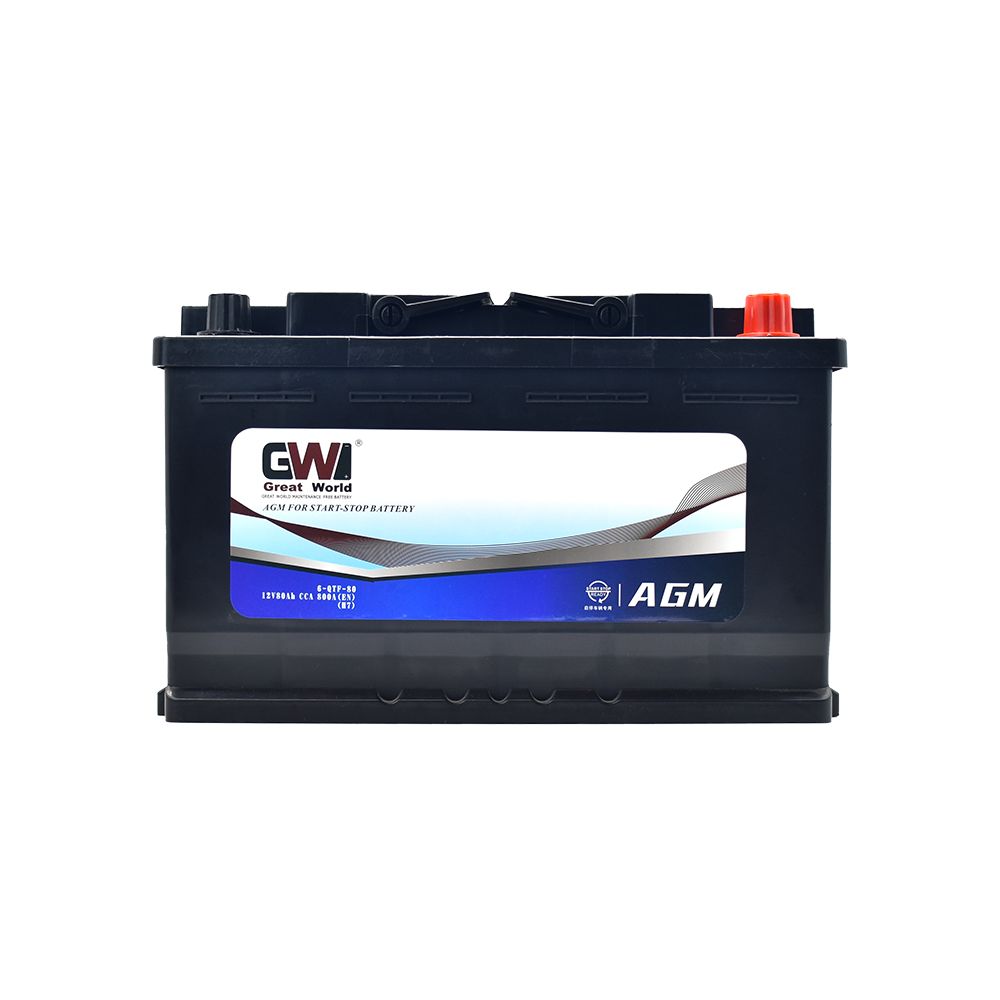
With numerous premium brands on the market—including VARTA, ACDELCO, Panasonic, Sail, Unity, GS, Korea Rocket, TangShao, and GWIPOWER—understanding the markings is essential. The naming of automotive lead-acid battery models follows strict international standards, primarily divided into Japanese, German, and American naming systems.
International Standards: How to Identify the Model of the Car Battery
When performing a car battery model replacement, you will encounter different coding standards depending on your vehicle’s origin. Let’s break down the three major international standards to help you correctly identify the model of the car battery.
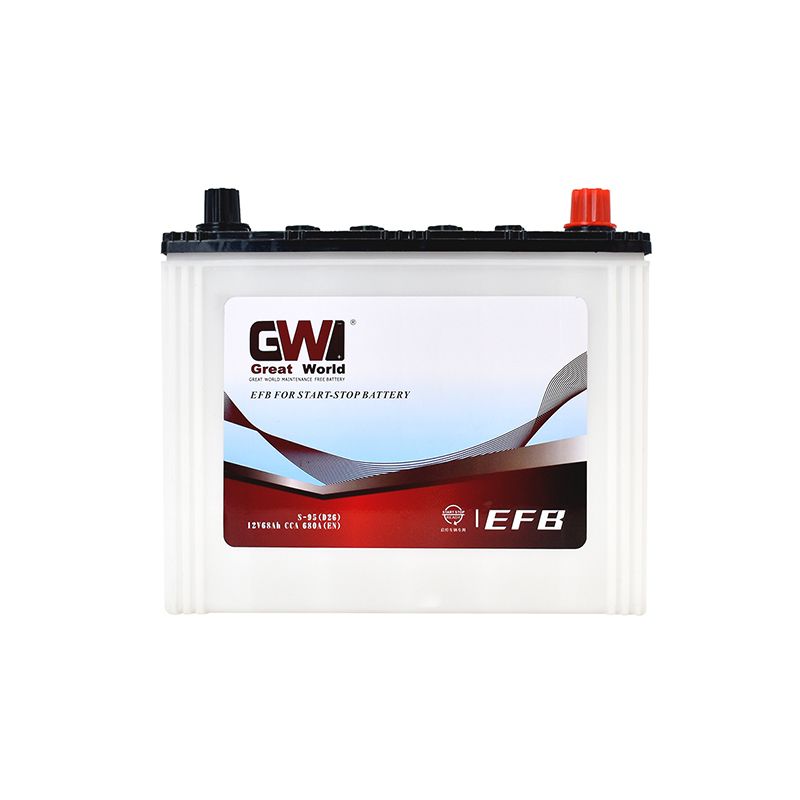
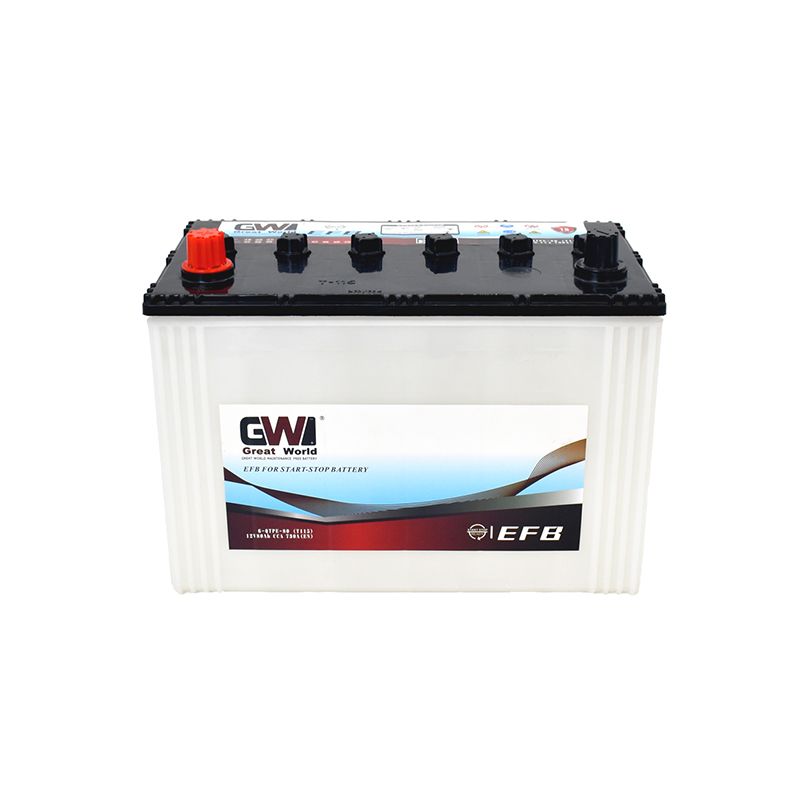
Japanese JIS Car Battery Standard: Performance and Size Combination
The JIS car battery standard focuses on a combined code of performance ratings and physical dimensions. Taking a common Japanese JIS model like the NS40ZL or an N60 automotive battery variant as an example, we can decode the model into the following parts:
Component breakdown of JIS Battery Codes
- Letter “N” (Country of Origin): The “N” at the beginning of the model number represents the Japanese JIS standard (Nippon).
- Numbers & Letter “S” (Size & Performance): The number following “N” (e.g., 40, 60, 70) indicates the size of the battery compartment, usually expressed as a value close to the battery’s rated capacity.
- Letter “S” (Miniaturization): Indicates a miniaturized design. For example, in an NS40ZL, the actual capacity is less than 40Ah (usually 36Ah).
- Letter “Z” (High Performance): Indicates that, within the same battery size, this model has a better cold cranking amps (CCA) rating and discharge performance.
- Special Combinations (e.g., NS60sL): The lowercase “s” indicates that this battery has thicker tabs than ordinary batteries of the same capacity, resulting in better conductivity.
⚠️ Technical Note on Battery Terminals: To prevent car owners from reversing the positive and negative terminals during installation—which could destroy vehicle electronics—the conical terminals are engineered with different diameters (the positive terminal is usually slightly thicker than the negative terminal).
Determining Polarity: L vs. R Markings
The letters “L” or “R” at the very end of a JIS car battery code indicate the layout of the positive and negative terminals (polarity).
- L (Left): Indicates the left end is positive.
- R (Right): Indicates the right end is positive.
How to Identify: Face the battery looking away from the side with the battery terminals. If the positive terminal is on your left, it’s an L layout; if it’s on the right, it’s an R layout (e.g., NS70R). When purchasing maintenance-free batteries, ensuring correct polarity is crucial; otherwise, the vehicle’s wiring harness will often be too short for installation.
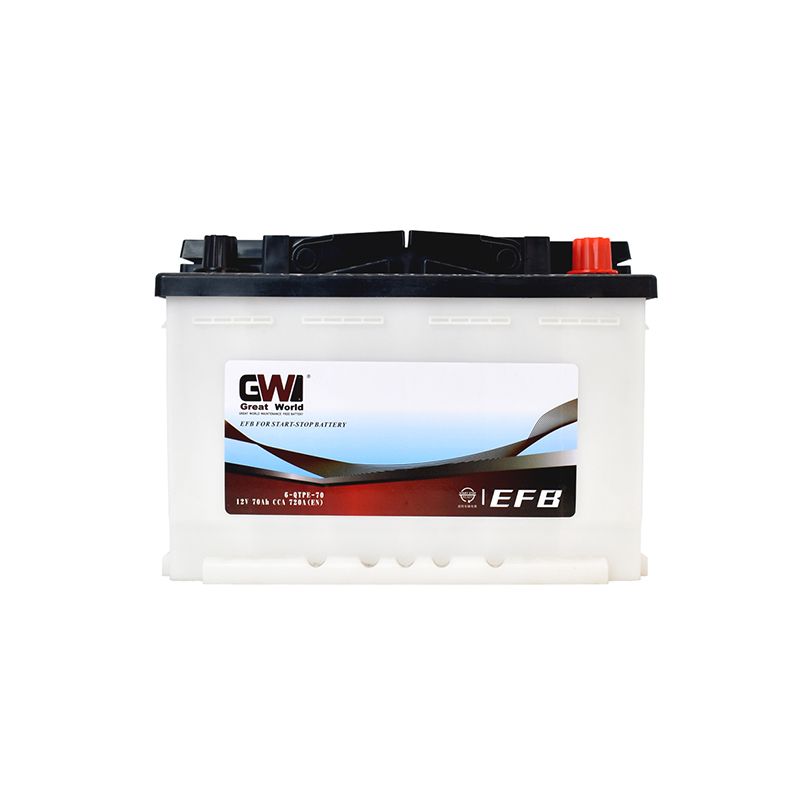
German DIN Car Battery Standard: Strict Digital Coding System
Unlike the Japanese standard, a DIN car battery follows a strict, highly regular 5 or 6-digit Arabic numeral system to define its specs.
Decoding the DIN Code (Example: 562 19)
- The First Digit (5): Represents the battery’s voltage and base capacity range.
- “5” represents: A 12V battery with a capacity below 100Ah.
- “6” represents: A 12V battery with a capacity between 100Ah and 200Ah.
- “7” represents: A 12V battery with a capacity above 200Ah.
- The Second & Third Digits (62): Combined with the first digit, these numbers indicate the nominal capacity. For example, a code starting with “562” indicates a 12V battery with a nominal capacity of 62Ah.
- The Last Two Digits (19): This part represents the specific dimensions, base hold-down fixing type, and terminal polarity serial number code.
US BCI Standard: Centered on “Group”
The American BCI standard does not include the capacity directly within the car battery model name. Instead, it utilizes a strict “Group Size” classification to define the battery’s physical dimensions.
Understanding BCI Group Sizes (e.g., Group 24, 35, 65)
- Group Size Numbers: A designator like Group 35 directly corresponds to a strictly fixed length, width, height, and polarity arrangement listed in the BCI standard manual. As long as two batteries share the same Group 35 designation, their physical dimensions and terminal positions are 100% identical, regardless of the brand.
Special BCI Letter Suffixes
- R (Reverse Polarity): Indicates that the position of the positive and negative terminals is reversed compared to the standard layout (e.g., 34R).
- DT (Dual Terminal): Represents dual terminals. The battery features terminals on both the top and the side (e.g., 78DT). This is highly common in American off-road vehicles or trucks that require extra connections for external winches or modified auxiliary equipment.
 English
  Chinese
  Russian